How to Handle Storm Damage Roofing Repairs After a Big Storm
Living in the southeastern United States means you know storms are part of the deal. We get sudden, violent weather here in Dacula and across Gwinnett County. One afternoon the sun is blazing, and a few hours later you are watching sideways rain hammer your house. I have seen it happen more times than I can count. The aftermath is where the real trouble starts, especially for your roof. If you have just been through a big storm, you need to know what to look for, what to do first, and how to avoid getting taken advantage of when you need storm damage roofing help the most.
What a Storm Does to a Roof
A typical residential roof is built to handle a lot of weather. But a severe thunderstorm or a hurricane-force wind event is a different beast. The primary forces at work are wind uplift, flying debris, and torrential rain. Wind gets under the edges of shingles or tiles and peels them back. Once one section is lifted, the wind can get under the whole sheathing. I have seen entire sections of roof decking torn off in a matter of minutes. Even if the shingles stay put, the rain driven at forty or fifty miles an hour can force water up under the laps of the shingles and into the attic. You might not see a leak for a day or two, until the water has soaked through the insulation and stained your ceiling.
Hail is another common culprit in our area. A hailstorm can leave a roof looking like someone took a ball-peen hammer to it. Granule loss on asphalt shingles is a big problem because those granules protect the underlying asphalt from UV rays. Once they are gone, the shingle deteriorates fast. For metal roofs, hail can dent the panels and knock off the protective coating, leading to rust. And for tile roofs, cracked or broken tiles are a sure sign you need to get up there and assess the damage before the next rain.
Safety First: Do Not Climb Up There Yourself
I know the instinct. You want to see what happened. You grab a ladder and head up. Please do not do that. A wet roof is incredibly slippery. Even a gentle slope can send you sliding off. And if the structure is compromised, you could fall through. I have had to help homeowners who got hurt trying to tarp their own roof after a storm. It is not worth it. Stay on the ground and look for signs from a safe distance. Use binoculars if you have them. Check for visible holes, missing shingles, or sections that look uneven. Inside your attic, look for daylight coming through the roof boards. That is a sure sign of a hole. Also, look for wet insulation or water stains on the rafters. If you see any of that, call a professional who understands storm damage roofing. They have the safety gear and the experience to get on a damaged roof without making things worse.
Document Everything for Your Insurance Claim
Your insurance company is going to want proof. Before anyone touches the roof, take pictures and video from the ground of any obvious damage. Get shots of the whole roof from different angles. If there is debris in the yard, photograph that too. It helps show the severity of the storm. Then, if it is safe to do so, go into your attic and photograph any water stains or daylight coming through. Keep a written log of when the storm hit and when you first noticed the damage. This documentation is critical because it establishes that the damage happened during that specific weather event. Insurance adjusters are trained to look for pre-existing wear and tear. If your roof was already aging, the adjuster might try to deny coverage for the storm damage. Your photos and notes can help prove that the storm was the proximate cause, not just old age.
Once you have your documentation, call your insurance company right away. Most policies require you to report damage in a timely manner. They will assign an adjuster to inspect your roof. Do not let a contractor start major repairs before the adjuster sees the roof. If you do, the insurance company may refuse to pay because they could not verify the damage themselves. That said, you can and should do emergency tarping to prevent further water intrusion. Keep the receipts for any materials you buy for temporary repairs. Your policy may reimburse you for that. Just make sure the tarping is temporary. Do not let a roofer convince you to do a full replacement based on an estimate before the adjuster has a chance to look at it.
Choosing a Contractor for Storm Damage Roofing Repairs
After a big storm, every roofing company in the area gets slammed with calls. It is easy to panic and hire the first person who shows up. I have seen homeowners get burned by storm chasers who roll into town, collect a big down payment, do shoddy work, and disappear before the next storm. You need to be careful. A reputable local roofer will have a physical address, a local phone number, and a history in the community. They will carry general liability insurance and workers comp. Ask for proof. If they hesitate or make excuses, move on. Also, get at least three written estimates. Not just price quotes, but detailed scopes of work that describe exactly what they will do, what materials they will use, and how long the work will take. Compare them carefully. The cheapest bid is not always the best, and the most expensive is not always the best either. Look for the contractor who communicates clearly, answers your questions, and seems genuinely interested in solving your problem, not just selling you a new roof.
Be wary of any contractor who asks for a large cash deposit up front. In Georgia, there are laws about how much a contractor can ask for before starting work. A reasonable deposit might cover materials that need to be ordered, but it should not be more than a third of the total contract price. Pay by check or credit card, never cash. That gives you a paper trail. And do not make the final payment until the work is complete and you have inspected it. A good contractor will walk you through the finished job and show you that everything is sealed, clean, and done right.
Connect with us on Instagram.
What to Expect During the Repair Process
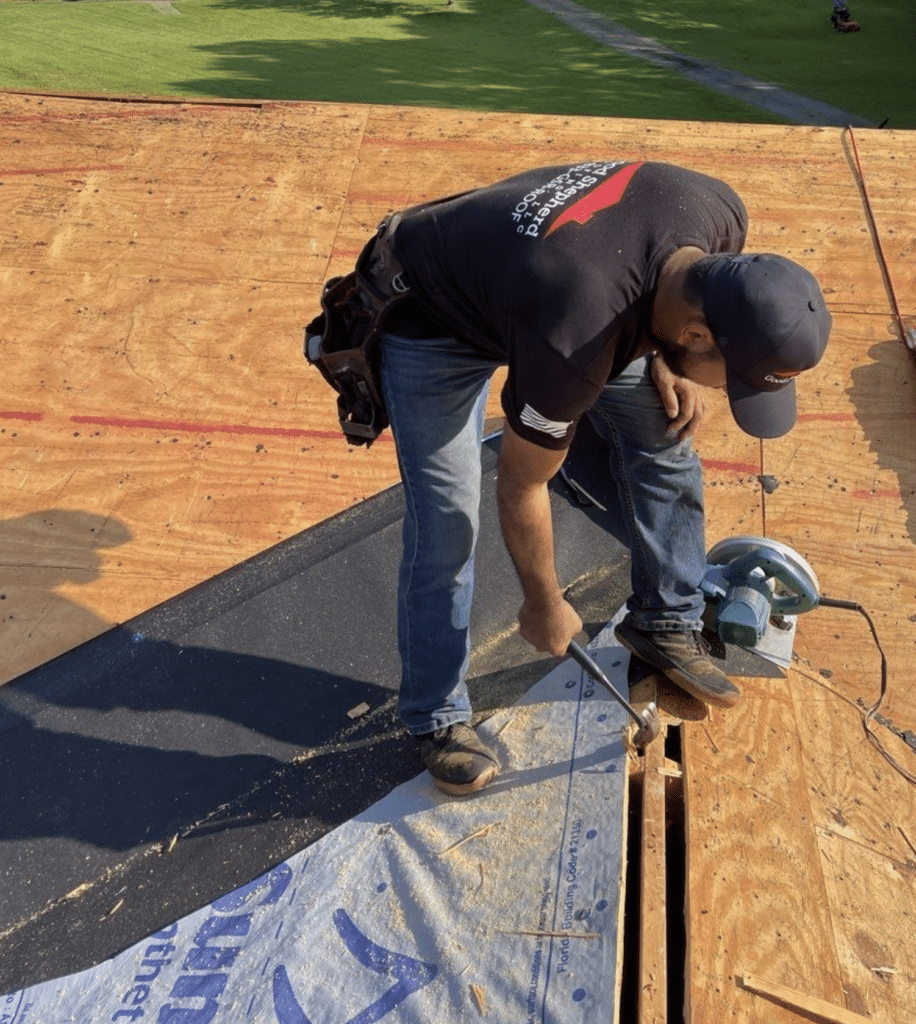
Storm damage roofing repairs can take time. Depending on how widespread the damage is, you might be looking at a few days for a small repair or several weeks for a full replacement. Your contractor should give you a realistic timeline and update you if there are delays due to weather or material shortages. Be patient. Quality work takes time. During the process, the crew will likely tarp the roof to keep things dry while they work. They will tear off damaged sections, inspect the decking for rot, replace any compromised wood, and then install new underlayment and shingles. If your roof had skylights, vents, or chimney flashing, those will need to be checked and possibly replaced too. A thorough contractor will also clean up the job site every day, picking up old shingles, nails, and debris. You should not be finding roofing nails in your yard for weeks after the job is done.
Preventing Future Storm Damage
Once you have your roof repaired, think about what you can do to make it more storm-resistant. If you are getting a full replacement, consider upgrading to impact-resistant shingles that are rated for higher wind speeds. Ask your roofer about using ring-shank nails instead of smooth shank nails. They hold much better in high winds. Also, make sure your roof has proper ventilation. A well-ventilated attic helps equalize pressure during a storm, reducing the chance of wind uplift. And do not forget your gutters. Clogged gutters can cause water to back up under the roof edge and into the fascia, leading to rot and leaks. Keep them clean, especially during storm season.
If you have a tile or metal roof, check the fasteners and clips. Over time, they can corrode or loosen. A quick check once a year can save you a lot of trouble. For flat roofs, make sure the drainage scuppers are clear and that the membrane is in good shape. Flat roofs are especially prone to ponding water after a storm, which can lead to leaks if the membrane is compromised.
When to Consider a Full Replacement
Not every storm-damaged roof needs a full replacement. Sometimes a repair is all you need. But if the damage is widespread, if the roof is old, or if the decking is rotted, a full replacement might be the smartest long-term move. I have seen homeowners patch a twenty-year-old roof after a storm, only to have a different section fail the next year. In that case, you end up paying for two repairs instead of one replacement. A good roofer will give you an honest assessment of whether a repair will hold or if you are just delaying the inevitable. They should explain the condition of your roof and let you make an informed decision. If the cost of repairs is more than half the cost of a new roof, replacement is usually the better choice.

At the end of the day, your roof is your home's first line of defense. Taking care of storm damage quickly and correctly protects your whole house. If you are in the Dacula area and need help after a storm, Good Shepherd Roofing at 2505 2nd Ave, Dacula, GA 30019, USA, phone +1 833-477-7663, is a local company that provides roof repair, replacement, gutters, and insurance claim support for homeowners. They understand the local weather and can help you get your home back in good shape.